 IMRYN
IMRYN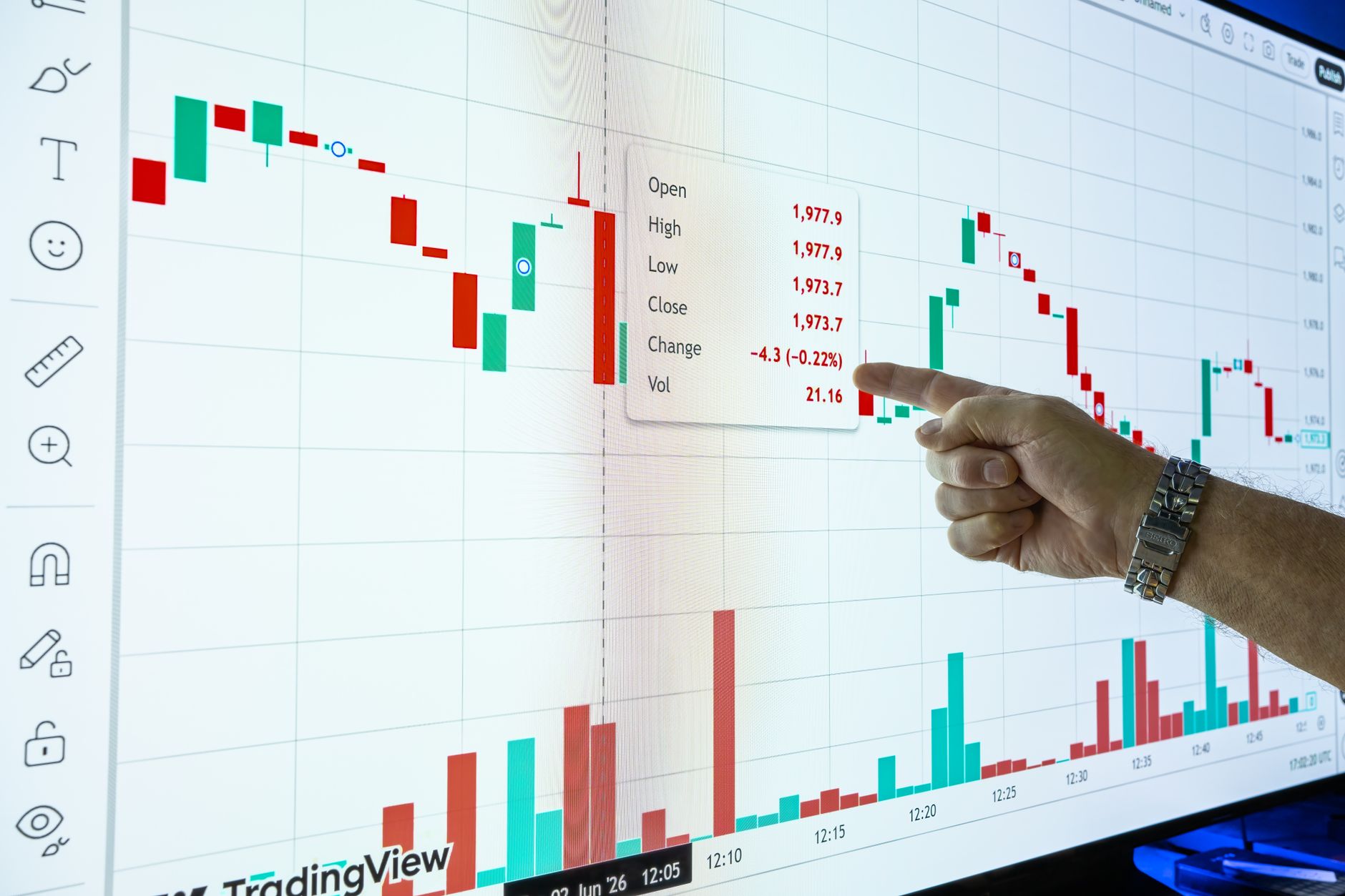
What systematic trading strategies actually are
Systematic trading strategies are trading approaches in which decisions follow predefined, testable rules rather than case-by-case judgement. A rule might state when a position opens, how large it can be, and when it must close. Because the rules are written down and executed by software, the same inputs should produce the same decisions. That consistency is the main appeal, and it is also where most misunderstandings begin.
A rule set is only a hypothesis about how markets behaved in the data used to design it. Writing it as code makes it precise, but precision is not the same as correctness. Before acting on any systematic approach, a reader should be able to say what the rules assume, what could break those assumptions, and what happens operationally when they do.
The limits no rule set escapes
Three limits apply to every systematic approach. First, historical data is a single path through many possible market conditions, so a strategy fitted closely to it may be capturing noise. Second, any evidence gathered before live trading simplifies reality: fees, spreads, slippage, partial fills and outages are estimated, not experienced. Third, markets change structure over time, and a rule that once matched conditions can quietly stop matching them.
These limits also mean that evidence types are not interchangeable. Historical replay runs the rules over past data; simulation adds modelled assumptions about markets and costs; paper execution follows live market data without real orders; live observation records what actually happened with real orders. Each answers a different question. Any result should carry its status, its observation window, its cost assumptions and its drawdown context, and no result of any type determines what will happen next.
- Overfitting: many parameters tuned to one dataset
- Execution gap: modelled fills that live markets will not reproduce
- Regime change: relationships that held historically but no longer do
Explicit risk limits and observable execution
Risk limits should be written as concretely as the trading rules themselves. Vague intentions such as keeping risk reasonable do not survive a volatile session. Useful limits are numeric and enforced by the system: maximum position size, maximum loss per day or period, maximum exposure per instrument or venue, and conditions under which trading halts automatically.
Execution also needs to be observable. When orders route across more than one venue, each order, fill, rejection and latency spike should be logged in a form a person can inspect afterwards. If you cannot reconstruct why the system did something, you cannot tell whether a loss came from the strategy logic, from execution quality, or from an infrastructure fault, and those require very different responses.
- Limits defined before deployment, not adjusted during drawdowns
- Automatic halts on breached limits, alongside a tested, access-restricted human disable path
- Logs detailed enough to replay any decision
Human oversight and reproducible evaluation
Automation removes hesitation from execution, but it should not remove accountability. Automated controls and human oversight work together: someone is responsible for watching the system, a named owner handles escalation, and a rapid human disable path exists, is restricted to the right people and is tested before it is needed. Oversight also means reviewing behaviour regularly, not only after something goes wrong.
Evaluation should be reproducible: another person, using the same code, data version and assumptions, should reach the same results. That requires versioning the rules and datasets, recording cost and slippage assumptions, separating the data used to design a strategy from the data used to assess it, and labelling every result with its evidence type. If results cannot be reproduced, they cannot be trusted as a basis for any decision.
Example: a pre-action checklist for a hypothetical strategy
Example only, not a recommendation. Imagine a reader reviewing a simple trend-following rule that buys when a short moving average crosses above a longer one. The historical replay looks smooth. Before considering any real capital, they work through the questions below and treat any unanswered item as a reason to stop rather than proceed.
In this hypothetical, the reader finds that including realistic fees, spreads and slippage cuts most of the simulated edge, and that results depend heavily on one parameter value. Those findings do not prove the idea is worthless, but they show the evidence is weaker than the chart suggested. The checklist did its job by surfacing uncertainty before money was at risk.
- Can the results be reproduced from versioned code and data?
- Is each result labelled as replay, simulation, paper or live, with its window, cost assumptions and drawdown?
- Were costs, slippage and partial fills modelled conservatively?
- Does performance hold on data not used during design?
- Are position, loss and exposure limits numeric and enforced automatically?
- Is every order and fill logged and reviewable?
- Who monitors the system, who owns escalation, and has the human disable path been tested?
- What loss would you accept before stopping, decided in advance?
How IMRYN frames this topic
IMRYN publishes material on the infrastructure side of systematic trading, including execution across several venues and the controls that bound automated decisions; its methodology and architecture pages describe that approach. This article stays within that scope: it explains concepts and operational safeguards, not which strategies to run or what returns to expect.
Everything here is educational and is not investment advice. Whether any systematic approach suits your circumstances depends on factors this article cannot assess, and a qualified adviser is the right person to discuss them with. The durable lesson is that the rules matter less than the limits, visibility, oversight and evaluation discipline surrounding them.
Frequently asked questions
Does a strong backtest mean a systematic trading strategy will work in live markets?
No. A backtest, or historical replay, shows how a set of rules would have behaved on past data under stated assumptions about costs and fills. It is a different kind of evidence from simulation, paper execution or live observation, and live markets add slippage, outages and changing conditions. Past or simulated results never determine future outcomes.
What risk limits should be in place before running an automated trading system?
Common safeguards include numeric caps on position size, maximum loss per period, exposure per instrument or venue, and automatic halt conditions, backed by a tested human disable path. These should be defined before deployment and enforced by the system rather than adjusted under pressure.
Why does human oversight matter if a trading strategy is fully automated?
Automation executes rules consistently but cannot judge when those rules no longer fit conditions or when infrastructure is failing. A responsible person who monitors the system, a clear escalation owner and a tested, access-restricted way to switch it off provide accountability and a way to limit damage from unexpected behaviour.
Sources and further reading
These resources provide the wider reference frame. Product statements on this page are limited to the public information provided by IMRYN.